Watch the interview!
Disclaimer
This case report and/or content does not reflect the opinion of iHF or iheartfunction.com, nor does it engage their responsibility.

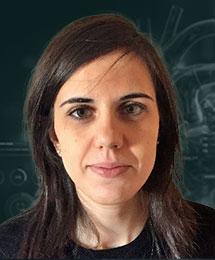
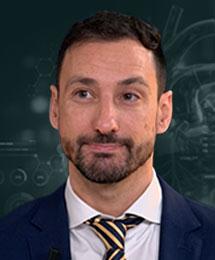
Marianna Adamo and Ignacio Amat-Santos explore the interaction between medical heart failure therapy and valve intervention which remains a critical yet complex aspect of structural heart disease management. In patients with aortic stenosis, introducing guideline-directed medical therapy before TAVI is often poorly tolerated, whereas post-procedural initiation appears more feasible. Trials such as RASTAVI and DAPA-TAVI provide emerging evidence that selected medical therapies can reduce mortality and rehospitalisation when started after successful intervention.
For mitral valve disease, registry data underline the importance of optimising medical therapy before intervention, with up to 40% of patients showing improvement in regurgitation severity on drugs alone. At the same time, transcatheter edge-to-edge repair may enable further optimisation by improving forward flow, blood pressure and renal function. In contrast, tricuspid regurgitation remains an area of unmet need, where medical therapy is largely palliative, and device-based strategies are rapidly evolving.
This interview highlights how medical heart failure therapy and valve intervention should be viewed as complementary, synergistic strategies aimed at improving both prognosis and quality of life.

Advancing trans-disciplinary innovation in heart failure drugs and device solutions to improve patient care
